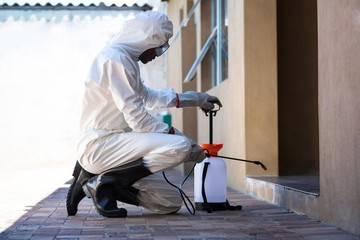
It only takes a few unwanted pests to turn a comfortable home into a stressful environment. Whether it is insects invading the kitchen, rodents making noise behind the walls, or termites silently damaging wood, pest problems can escalate quickly if they are not handled properly. Hiring a professional pest control service is often the most effective solution, but not every provider offers the same level of expertise, service, or long-term results. Choosing the right professional requires more than comparing prices.
Asking the right questions before making a decision can help homeowners understand what to expect, avoid unnecessary costs, and find a service that thoroughly addresses the problem. Knowing which questions to ask before hiring pest control can lead to greater confidence and better outcomes. Visit this website https://www.benspest.biz/ for more information.
Why Choosing the Right Pest Control Service Matters
Pest control is about much more than eliminating visible insects or rodents. A quality service should identify the source of the infestation, determine why pests are entering the property, and develop a treatment strategy that reduces the likelihood of future problems.
Hiring the wrong provider can result in temporary solutions that fail to address the root cause. Repeated infestations, unnecessary chemical applications, and additional expenses can occur when treatments are incomplete or poorly planned.
A qualified pest control professional understands pest behavior, breeding cycles, seasonal activity, and effective treatment methods. They also recognize how different pests require different management strategies.
Taking time to ask important questions before hiring a pest control service helps homeowners evaluate experience, professionalism, communication, and overall reliability.
The goal is to choose a provider who offers lasting solutions rather than quick fixes.
What Experience Do You Have Treating My Specific Pest Problem?
One of the first questions to ask is whether the pest control provider has experience treating the specific pest affecting the property. Different pests require different approaches, and not every company specializes in every type of infestation.
For example, termites, bed bugs, rodents, ants, mosquitoes, cockroaches, spiders, fleas, and stinging insects each present unique challenges. Treatment methods that work well for one pest may not be effective for another.
An experienced professional should be able to explain how they identify the pest, what treatment methods they recommend, and what results homeowners can reasonably expect.
They should also discuss the severity of the infestation and whether multiple visits may be necessary.
A provider with extensive experience handling similar situations is generally better equipped to deliver effective and lasting results.
How Will You Inspect the Property?
A thorough inspection is one of the most important parts of successful pest control. Before recommending treatment, professionals should carefully examine the property to determine where pests are living, entering, and breeding.
Homeowners should ask what the inspection process includes. A complete inspection may involve evaluating interior spaces, exterior walls, foundations, crawl spaces, attics, basements, garages, landscaping, and other areas where pests commonly hide.
The inspection should also identify factors that contribute to infestations, such as moisture problems, food sources, structural openings, or vegetation that attracts pests.
Rather than applying treatment immediately without investigation, a quality provider uses inspection findings to create a customized treatment plan.
Understanding the inspection process helps homeowners recognize whether the service focuses on long-term prevention rather than simply treating visible symptoms.
What Treatment Methods Will Be Used?
Not all pest control treatments are the same. Asking about treatment methods helps homeowners understand how the infestation will be managed and whether the proposed solution matches their expectations.
Professionals should explain whether treatments involve targeted applications, baiting systems, exclusion methods, monitoring devices, traps, or integrated pest management strategies.
They should also discuss why the selected approach is appropriate for the specific pest and property conditions.
Some infestations require a single treatment, while others involve ongoing monitoring and follow-up visits. Understanding the treatment plan in advance helps avoid confusion later.
Clear communication about the methods being used also allows homeowners to prepare their property appropriately before treatment begins.
Knowing exactly how the service will be performed builds trust and helps establish realistic expectations.
Are the Products Safe for Children and Pets?
Safety is often one of the biggest concerns for homeowners considering pest control treatments. Families naturally want to know whether products used inside or around the home may affect children, pets, or other occupants.
A professional pest control provider should explain the products being used and provide guidance regarding any necessary precautions.
Homeowners should ask whether temporary evacuation is recommended, how long treated areas should remain undisturbed, and when it is safe to resume normal activities.
In many cases, treatment plans can be adjusted to accommodate households with pets or young children while still effectively managing pests.
Professionals should also explain how products are applied and why targeted treatments help minimize unnecessary exposure.
Understanding safety procedures provides reassurance and allows homeowners to prepare properly for service.
How Long Will the Treatment Take to Work?
Another important question involves expected results. Many homeowners assume pests will disappear immediately after treatment, but the timeline often depends on the type of infestation and the treatment method used.
Some pests respond quickly, while others require additional time because of breeding cycles, hidden nesting areas, or gradual elimination strategies.
A knowledgeable professional should explain what homeowners can expect during the days and weeks following treatment. They should discuss whether pest activity may temporarily increase, whether follow-up visits are anticipated, and how long complete control typically takes.
Understanding the expected timeline helps homeowners avoid unrealistic expectations and recognize normal treatment progress.
Patience is sometimes necessary because effective pest management often focuses on eliminating the entire infestation rather than simply removing visible pests.
Do You Offer Preventive Pest Control Services?
Eliminating an active infestation is only part of successful pest management. Preventing future infestations is equally important.
Homeowners should ask whether preventive services are available after the initial treatment. Preventive programs may include routine inspections, seasonal treatments, exclusion recommendations, and ongoing monitoring.
Professionals may also provide guidance on reducing conditions that attract pests. Moisture control, proper food storage, waste management, and sealing structural entry points can all contribute to long-term prevention.
Preventive maintenance often reduces the likelihood of recurring infestations while protecting the property throughout the year.
A provider that emphasizes prevention demonstrates a long-term commitment to effective pest management.
What Is Included in the Service Agreement?
Before hiring any pest control provider, homeowners should understand exactly what is included in the proposed service.
Asking about the service agreement helps clarify the scope of work, treatment frequency, inspection schedules, follow-up visits, and any warranties or guarantees.
The agreement should clearly explain what pests are covered, whether additional treatments are included if pests return, and what homeowner responsibilities may exist after treatment.
Transparent communication helps prevent misunderstandings and ensures both parties understand what to expect.
Reviewing the service details carefully allows homeowners to compare providers more accurately and make informed decisions.
Knowing what is included also helps evaluate the overall value rather than focusing solely on price.
How Can You Help Prevent Future Infestations?
Experienced pest control professionals do more than apply treatments. They also educate homeowners about reducing future pest risks.
Homeowners should ask what changes they can make to discourage pests from returning. Recommendations may involve sealing cracks, repairing screens, improving drainage, trimming vegetation, storing food properly, or addressing moisture problems.
These preventive measures often work together with professional treatments to create a more effective long-term solution.
Understanding why pests entered the property in the first place is just as important as eliminating the current infestation.
Education and prevention play a significant role in maintaining a pest-free environment.
What Should You Look for Beyond the Answers?
While asking the right questions is important, homeowners should also pay attention to how those questions are answered.
Professional communication, patience, honesty, and a willingness to explain technical information clearly are strong indicators of quality service. A reputable provider should answer questions confidently without making unrealistic promises or pressuring homeowners into unnecessary services.
Clear explanations demonstrate knowledge and help build trust throughout the decision-making process.
Choosing a provider who values communication often leads to a smoother experience and greater confidence in the treatment plan.
Ultimately, professionalism is reflected not only in the treatment itself but also in every interaction leading up to the service.
Final Thoughts
Hiring a pest control professional is an important decision that can affect the comfort, safety, and condition of a property. Asking thoughtful questions about experience, inspection methods, treatment strategies, safety, timelines, preventive services, and service agreements helps homeowners choose a provider that offers effective and lasting solutions. Rather than focusing only on cost, evaluating knowledge, communication, and commitment to long-term pest management provides a more complete picture of the service being offered. By taking the time to ask the right questions before hiring pest control, homeowners can make informed decisions and feel more confident that their pest problems will be addressed thoroughly and responsibly.