Water damage is not always immediately visible. While burst pipes or flooding can create obvious signs of destruction, many of the most serious issues develop quietly behind walls, beneath flooring, or within structural components. Hidden water damage can persist for weeks or even months before it becomes noticeable, often resulting in mold growth, structural deterioration, and costly repairs. This is where moisture detection technology plays a crucial role, offering a proactive and precise approach to identifying and preventing damage before it escalates.
In modern property maintenance and restoration, relying on visual inspection alone is no longer sufficient. Advanced moisture detection tools provide the ability to locate and measure moisture levels in areas that would otherwise remain inaccessible. By using these technologies, homeowners and All Pro Services professionals can detect early warning signs, address underlying issues, and maintain the long-term integrity of the home.
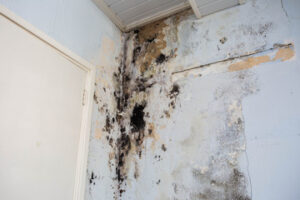
The Challenge of Hidden Water Damage
Hidden water damage presents a unique set of challenges. Unlike surface-level issues, it often develops in concealed spaces such as wall cavities, subfloors, insulation, and ceilings. These areas can trap moisture, creating an environment that encourages mold growth and weakens structural materials over time.
The difficulty lies in the fact that these problems are not easily detected without specialized tools. By the time visible signs appear—such as staining, warping, or musty odors—the damage may already be extensive. This delay in detection increases both the complexity and cost of repairs.
Moisture detection technology addresses this challenge by providing a way to identify problems early, even when they are not visible to the naked eye.
What Is Moisture Detection Technology?
Moisture detection technology refers to a range of tools and devices designed to measure and locate moisture within building materials. These tools are commonly used in water damage restoration, construction, and home maintenance to assess moisture levels and identify potential issues.
Some of the most widely used moisture detection tools include:
- Moisture meters, which measure the moisture content in materials such as wood, drywall, and concrete.
- Thermal imaging cameras, which detect temperature variations that may indicate the presence of moisture.
- Hygrometers, which measure humidity levels in the air.
Each of these tools serves a specific purpose, and when used together, they provide a comprehensive understanding of moisture conditions within a home.
Early Detection Prevents Major Damage
One of the most significant advantages of moisture detection technology is its ability to identify issues early. Detecting moisture at an early stage allows homeowners to take immediate action, preventing minor problems from becoming major repairs.
For example, a small leak behind a wall may go unnoticed for an extended period. Without detection, the moisture can spread, leading to mold growth and structural damage. However, with the use of moisture meters or thermal imaging, the issue can be identified quickly and addressed before it worsens.
Early detection offers several benefits:
- Reduced repair costs, as problems are addressed before they escalate.
- Preservation of building materials, minimizing the need for replacement.
By catching issues early, homeowners can protect their investment and maintain the overall condition of their property.
Enhancing Accuracy in Water Damage Assessment
Accurate assessment is essential for effective water damage restoration. Without precise information, it is difficult to determine the extent of damage or develop an appropriate plan for drying and repairs. Moisture detection technology provides the data needed to make informed decisions.
These tools allow professionals to map out affected areas, identify moisture gradients, and track changes over time. This level of detail ensures that all impacted areas are addressed, including those that are not immediately visible.
Accurate assessment also helps prevent over-treatment, where unnecessary materials are removed, or under-treatment, where hidden moisture is left behind. Both scenarios can lead to additional costs and complications.
Supporting Effective Drying Strategies
Drying is a critical component of water damage recovery, and moisture detection technology plays a key role in this process. By identifying areas with elevated moisture levels, these tools help guide the placement of drying equipment such as air movers and dehumidifiers.
Monitoring moisture levels throughout the drying process ensures that progress is being made and that no areas are overlooked. This allows for adjustments to be made as needed, optimizing efficiency and reducing drying time.
Key advantages of using moisture detection during drying include:
- Targeted drying efforts, focusing on areas that need the most attention.
- Verification of results, ensuring that materials are fully dried before restoration is complete.
This approach ensures a thorough and effective drying process, reducing the risk of future issues.
Preventing Mold Growth Through Monitoring
Mold growth is one of the most serious consequences of hidden moisture. Once mold begins to develop, it can spread quickly, affecting both the structure of the home and indoor air quality. Moisture detection technology helps prevent mold by identifying and eliminating the conditions that allow it to thrive.
By continuously monitoring moisture levels, homeowners can ensure that their home remains within safe parameters. This proactive approach reduces the likelihood of mold growth and minimizes the need for remediation.
In addition to preventing mold, maintaining proper moisture levels contributes to a healthier living environment, reducing allergens and improving overall air quality.
Applications Beyond Emergency Situations
While moisture detection technology is commonly associated with water damage restoration, its applications extend far beyond emergency situations. It is also a valuable tool for routine home maintenance, renovations, and new construction.
In maintenance, moisture detection can be used to identify potential issues before they become serious problems. During renovations, it helps ensure that materials are properly dried and installed. In construction, it verifies that moisture levels meet industry standards before proceeding with finishing work.
These applications demonstrate the versatility of moisture detection technology and its importance in maintaining the long-term health of a home.
Increasing Efficiency and Reducing Costs
Efficiency is a key consideration in any home maintenance or restoration project. Moisture detection technology streamlines the process by providing accurate data and eliminating guesswork. This leads to faster decision-making and more effective use of resources.
By targeting specific areas and avoiding unnecessary work, homeowners can reduce both time and costs. This efficiency is particularly valuable in large-scale projects, where delays and errors can significantly impact the overall budget.
Cost savings also extend to long-term maintenance, as early detection and prevention reduce the likelihood of expensive repairs.
Empowering Homeowners with Knowledge
One of the most valuable aspects of moisture detection technology is the knowledge it provides. Understanding moisture conditions within the home allows homeowners to make informed decisions about maintenance, repairs, and improvements.
This knowledge empowers homeowners to take a proactive approach, addressing issues before they become serious and maintaining a higher level of control over their property. It also fosters confidence in the restoration process, ensuring that all necessary steps are taken to protect the home.
Integrating Technology with Professional Expertise
While moisture detection tools are highly effective, their full potential is realized when combined with professional expertise. Trained professionals understand how to interpret data, identify patterns, and develop strategies based on the information provided.
They also have access to advanced equipment and techniques that may not be available to homeowners. This combination of technology and expertise ensures a comprehensive approach to water damage prevention and restoration.
For complex situations, professional involvement can make a significant difference in both the outcome and the efficiency of the process.
Long-Term Benefits of Moisture Detection
Investing in moisture detection technology offers long-term benefits that extend beyond immediate problem-solving. It helps maintain the structural integrity of the home, improves indoor air quality, and enhances overall property value.
By preventing hidden water damage, homeowners can avoid costly repairs, reduce health risks, and create a more comfortable living environment. This proactive approach also contributes to sustainability, as it minimizes waste and extends the lifespan of building materials.
Conclusion
Moisture detection technology has transformed the way homeowners and professionals approach water damage prevention and restoration. By providing the ability to identify hidden moisture, assess damage accurately, and guide effective drying strategies, these tools play a vital role in protecting homes from long-term damage.
From early detection and mold prevention to improved efficiency and cost savings, the benefits of moisture detection are both immediate and lasting. When combined with proper maintenance and professional expertise, this technology offers a powerful solution for maintaining a safe, healthy, and resilient home.
Ultimately, preventing hidden water damage is about staying ahead of the problem. With moisture detection technology, homeowners can do exactly that—ensuring that their homes remain protected, efficient, and structurally sound for years to come.